Posts

Repairing Our Deck

Image
🧹Cleaning, Resurfacing, And Painting🖌 Our deck was worn out, weathered, and starting to rot in some places, so sometime in 2019, we decided we were going to repair it. We first replaced any boards that were too rotted to use, with extra deck boards we had on hand, and scraped out the cracks between boards. Then we powerwashed the entire thing to clean it and removed any other debris with a leaf blower and vacuum. There was still old paint on the boards, so we sanded it, brushed a paint stripper on, and powerwashed again. We repeated that at least twice before beginning to fill any substantial cracks and pits with a paste filler. Then we painted a a sealant before it snowed. Last summer we powerwashed again and started sanding. After sanding everything a few times, we powerwashed one last time and were then able to begin painting. We picked a dark gray for the railings, and a light gray for the deck boards. Using both brushes and rollers, we painted everything with several layers and ...
Lamb's Quarters

Image
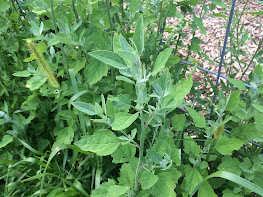
🌿 Another Edible Weed Lambs Quarters is an edible weed found around the world. It is known by many names including the following: Melde, Goosefoot, Wild Spinach, and Pigweed. It can grow over 3 feet tall in the right conditions but the younger leaves near the top of the plant taste better as they are more tender and less bitter. The leaf looks similar to a water bird's webbed foot, hence the name Goosefoot. There is a pinkish/white powdery substance on the underside of the leaves/stems with makes it not so desirable for consumption straight from the ground. Using my brilliant sister's suggestions( The Skilled Chef ), I made a tasty Asian dish with them😋. I first cut the leaves off the plant(you can use your fingers if you want) and dunked them in a bowl of tap water to remove the powder and any dirt that had collected on the leaves. These were than blanched for about 30-50 seconds in a pot of boiling water. I added chopped peanuts, peanut butter, sesame seeds, chili paste, ga...

Sheep Sorrel

Image
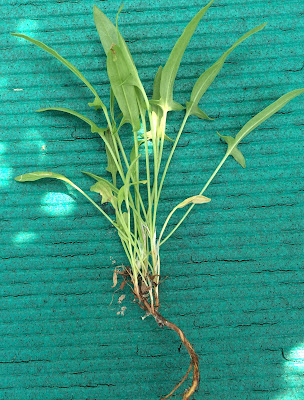
🌿 An edible surprise under our honeyberries Sheep sorrel is an edible weed similar to garden sorrel in both description and flavor. It tastes slightly lemony and is great raw. I have not tried cooking it yet but I will probably do that soon. I have come across sheep sorrel in the past around our property but just recently found a patch of it hidden under one of our many honeyberry(haskap) bushes. The young plants look slightly different but still have a similar plant structure. Unlike wild leeks, which I talked about in this post , sheep sorrel is most likely found in your area. I suggest you try to find some and taste it for yourself. For more about our delicious honeyberries, check out my sister's post here .

Mulching our garden

Image
🌿 No more weeds! We have always had problems with weeds in our garden. Cardboard with wood chips over it didn't work, and neither did mowing/weed whacking. We decided to lay down weed fabric, and then wood chips. It seems to be working so far as we have no weeds where we have done it already. This is what everything used to look like. N ow it looks like this. We first tried raking the old stuff away and rolling out the fabric. Then shoveling/raking the old stuff back on top. But the below technique worked even better. We would rake the old wood chips forward to clear an area and roll the fabric that far. Then scoop the pile over the end of the roll. It is already working and looking much better and we are looking forward to no more weeds. My sister's blog show's more of our mulching in her garden tour post. Link here

Tree removal

Image
🌳 One tree down, to save another. We had to cut down a tree so that it would not fall on one of our fruit trees. This is a video about how that went. GIF of my dad getting stuck. Everything was going so well...

Patching leaky rowboat

Image
🚣 Our rowboat is leak-free! Our used-to-be duck boat had a few leaks, so we had to patch it. We have tried spraying stuff on it in the past but it never fixed it, plus we had a large hole that spray would not cover. We decided to try fiberglassing the spots as a more permanent solution. Below is a video of the process. The Process We first scraped the old spray-on sealer off and sanded the surface. Then we poured the fiberglass resin into a dish and added the hardener (1 oz resin=10 drops hardener) A small amount of the mixture was brushed onto the surface then the fiberglass material was placed down and the rest of the mixture (1 oz per patch for us) was poured onto it. Using a brush, we worked the resin into the material until it was mostly clear and scraped it to smoothen the surface and edges. This dried overnight and when we put in in our pond, we did not find any leaks.